
4 August 2026
How EV Charger Foundation Supports More Sustainable EV Infrastructure
A look at how modular composite engineering, concrete-free installation and ESG-aligned design choices shape a more sustainable EV charger foundation.
As EV charging networks expand across the UK, sustainability has become an important consideration alongside installation speed, reliability and long-term performance. Developers, local authorities and commercial site owners increasingly want infrastructure that supports their environmental goals without compromising on engineering quality.
Charging technology often gets the most attention, but the foundation beneath it also plays a part in how sustainable an installation is. Material choice, installation method, maintenance needs and future adaptability all affect how infrastructure performs over its lifetime.
Concrete-Free
No excavation, wet pour or curing time on site.
Modular Build
Composite components assembled on site without heavy plant.
ESG-Aligned
Designed around installation efficiency and long-term durability.
Recyclable
Manufactured from recyclable BMC and DMC composite materials.
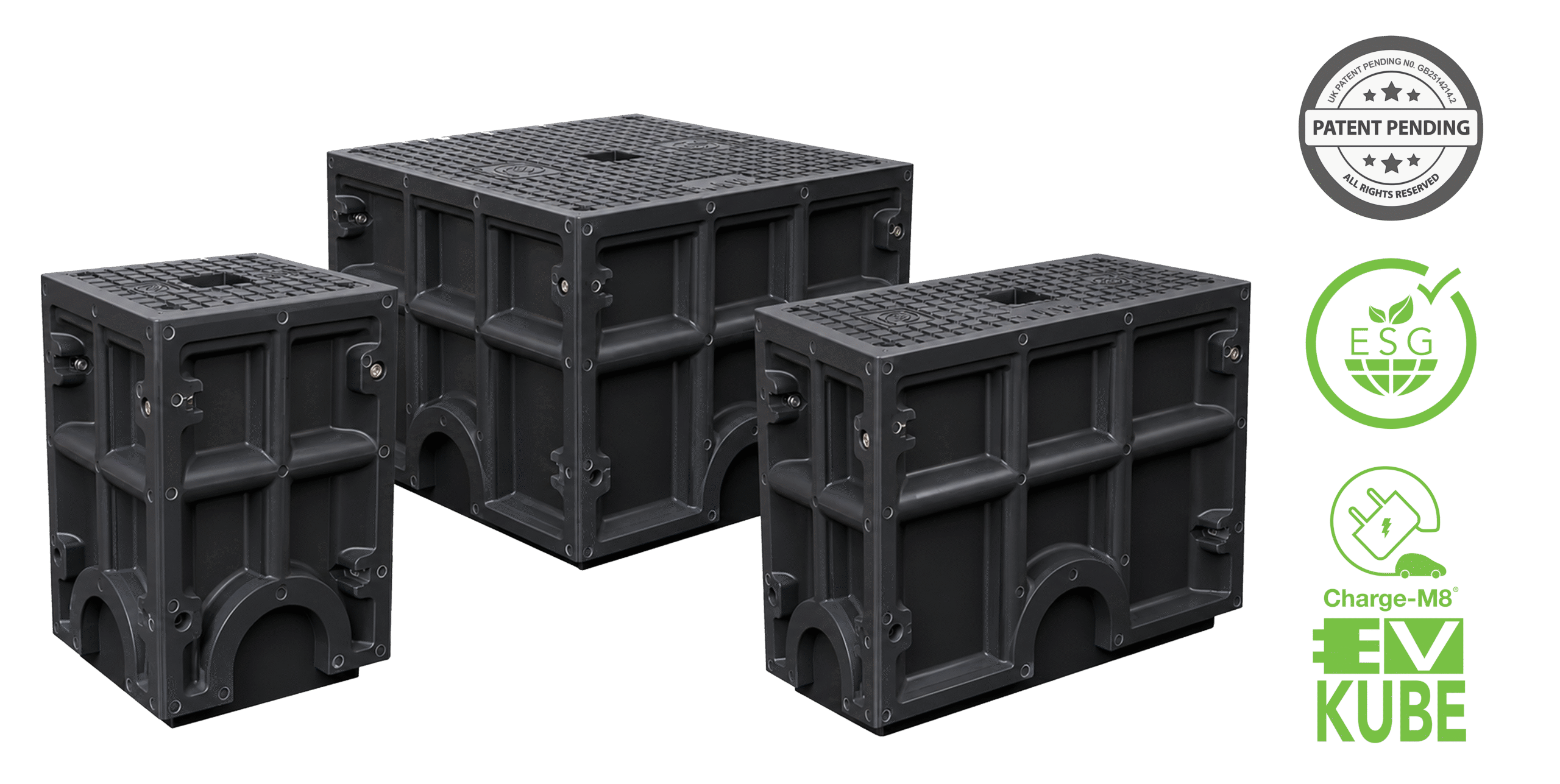
Concrete vs Composite
Reducing Reliance on Traditional Concrete
Concrete has been used for infrastructure projects for decades, but it typically requires excavation, wet-pour installation and curing time before equipment can go live.
EV Kube removes this step. By replacing concrete with a modular composite system, installers can simplify the process and avoid many of the delays associated with traditional foundation construction.
Concrete Foundation
- Excavation required
- Wet pour and curing time
- Weather-dependent programme
- Heavy plant on site
EV Kube
- No excavation or concrete
- Assembled on site same day
- Not weather-dependent
- Modular, courier-deliverable parts
EV Kube offers a more environmentally considered alternative, though Charge-M8 does not publish a specific figure for carbon or embodied-carbon reduction. It is a practical option for organisations working toward more sustainable construction practices and ESG-focused project delivery.
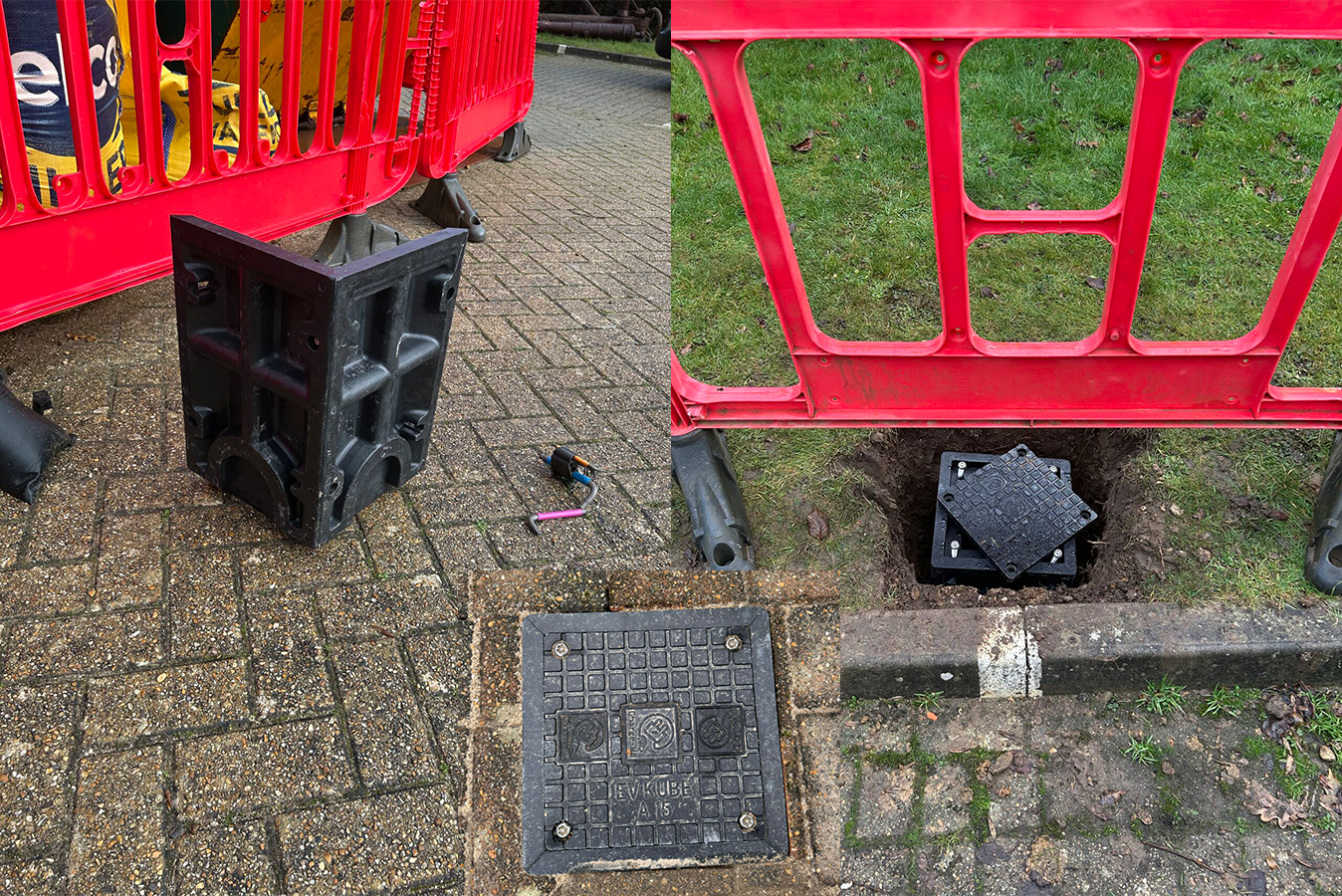
Long-Term Sustainability
Modular Design Supports Long-Term Sustainability
Sustainability is not only about materials used during manufacturing. It also depends on how infrastructure can be maintained, upgraded and adapted over time.
EV Kube's modular construction allows components to be assembled on site and supports future changes without removing an entire concrete foundation. This can reduce material waste during maintenance or equipment upgrades as charging technology develops.
The modular design also comes in different sizes to suit a range of charging equipment, helping infrastructure owners plan for future expansion without redesigning the base. This reflects the growing focus on whole-life asset management in the EV sector.
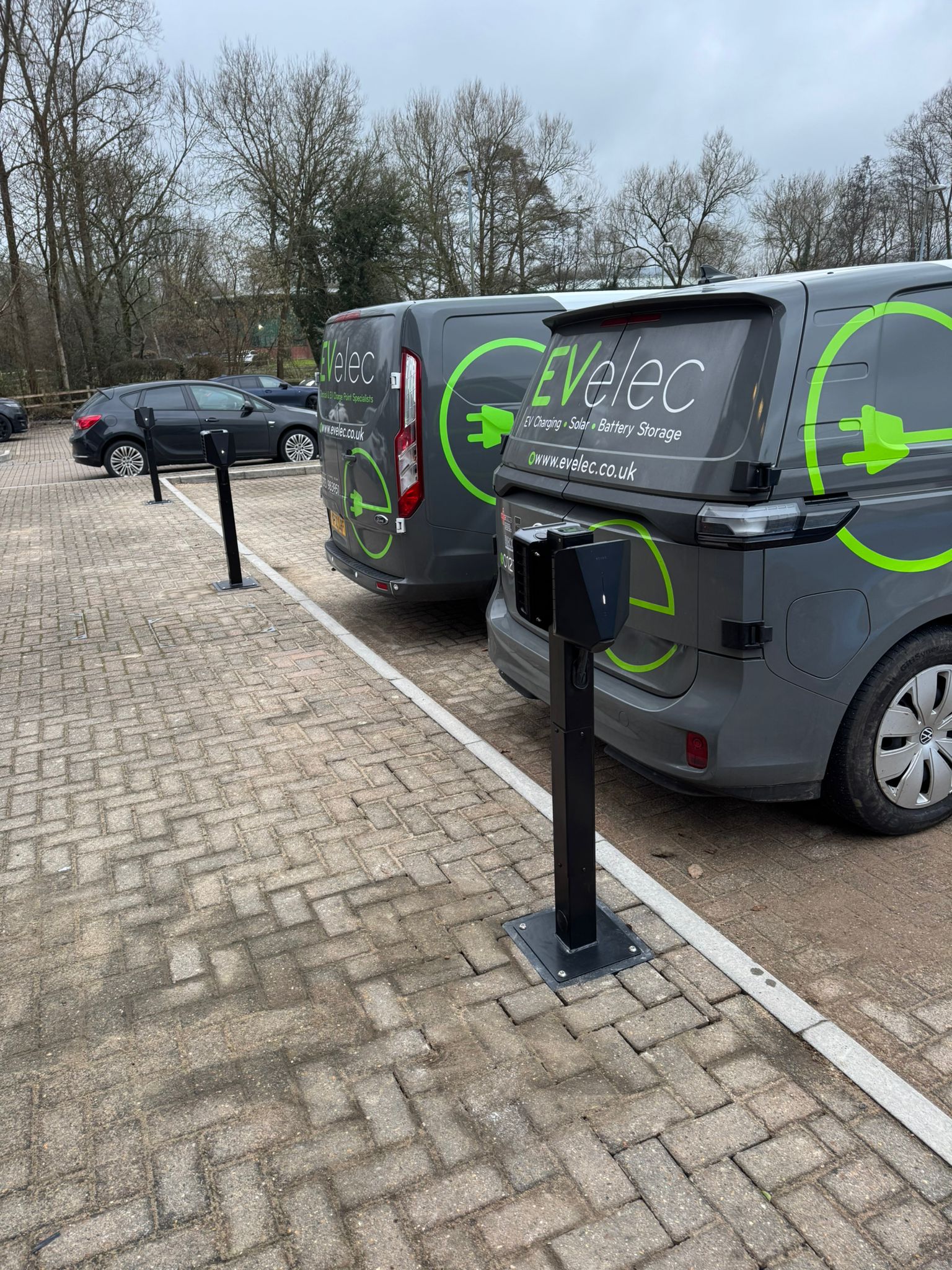
ESG & Lifecycle
Supporting ESG Objectives
Many organisations now assess infrastructure projects against Environmental, Social and Governance (ESG) goals.
EV Kube has been developed around installation efficiency, material selection and long-term durability. It uses recyclable composite materials and is supported by a return and recycling programme, contributing to a more responsible approach to product lifecycle management.
Rather than relying on a single environmental claim, EV Kube supports sustainability through practical engineering choices that contribute to efficient project delivery and long-term infrastructure resilience.
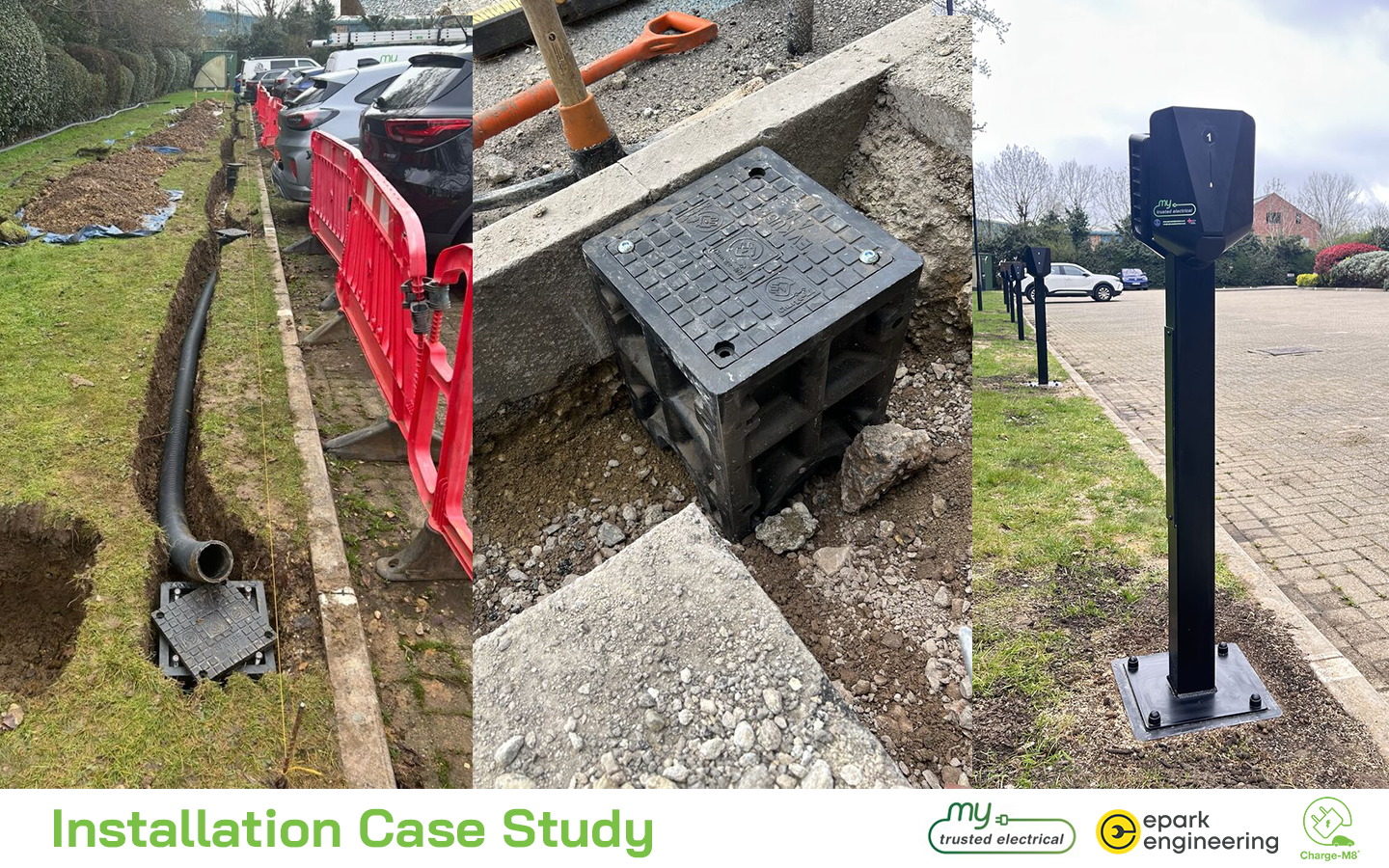
Looking Ahead
Designed for the Future of EV Infrastructure
The UK's charging network will keep growing over the coming years, creating demand for infrastructure that is both practical and adaptable.
A sustainable foundation should not only perform well on installation day. It should also support future maintenance, accommodate changing technology and remain suitable throughout the life of the charging installation.
EV Kube has been built with this in mind, combining modular construction with practical installation advantages to support the next generation of EV charging projects.
Conclusion
Building more sustainable EV infrastructure involves more than choosing efficient chargers. Every part of an installation, including the foundation beneath it, contributes to its long-term environmental performance.
EV Kube offers a practical alternative to traditional foundation methods, built around modular composite construction, concrete-free installation and long-term durability, for organisations that want future-ready charging infrastructure without unverified sustainability claims.
Planning your next EV charging project?
Discover how the Charge-M8 EV Kube modular foundation can help support a more sustainable, efficient and future-ready installation.