
How Modular EV Charger Foundations Reduce Installation Time Without Compromising Performance
As demand for EV charging infrastructure continues to grow across the UK, installers are under increasing pressure to complete projects more efficiently. Whether the installation is for a workplace, retail destination or public charging hub, reducing time on site has become just as important as selecting the right charging hardware.
While much attention is given to chargers and software, the foundation is often overlooked. A modular foundation offers a different approach by simplifying installation while maintaining a stable base for charging infrastructure.
Why Traditional Concrete Foundations Slow Installation
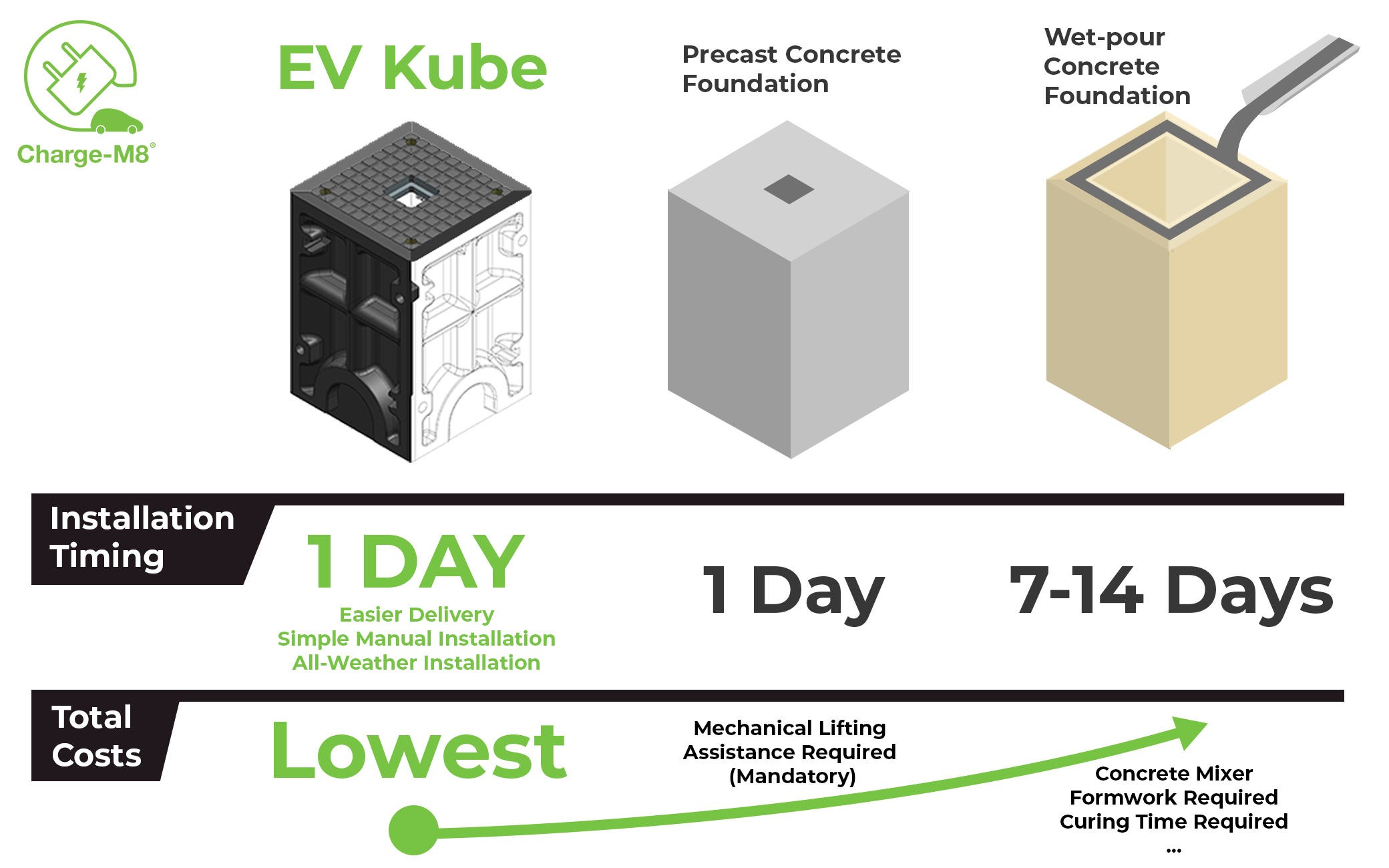
Concrete has been the standard solution for many years, but it introduces several practical challenges during installation. A typical installation often requires excavation, formwork, concrete delivery and curing time before chargers can be mounted, and these additional stages increase labour requirements and make project schedules more dependent on weather conditions. For organisations delivering multiple charging locations, these delays can accumulate quickly, increasing both project duration and overall installation costs.
| Installation stage | Concrete foundation | Modular EV Kube |
|---|---|---|
| Wet concrete and formwork | Required | Not required |
| Wet concrete delivery | Required | Not required |
| Curing time before mounting | Required | Not required |
These additional concrete stages are what make project schedules harder to predict, particularly across multi site rollouts.
A Modular Approach to EV Charger Foundations
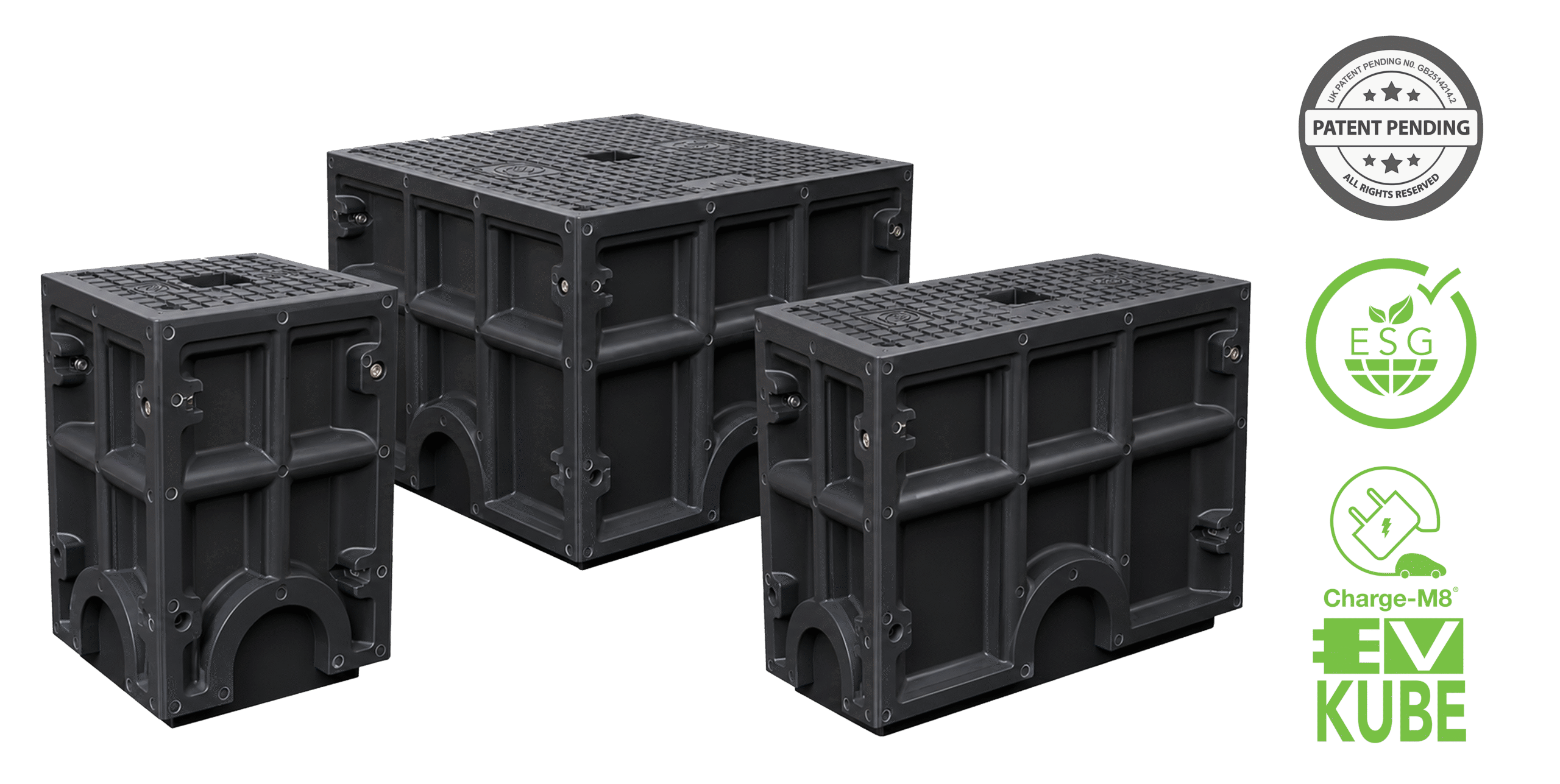
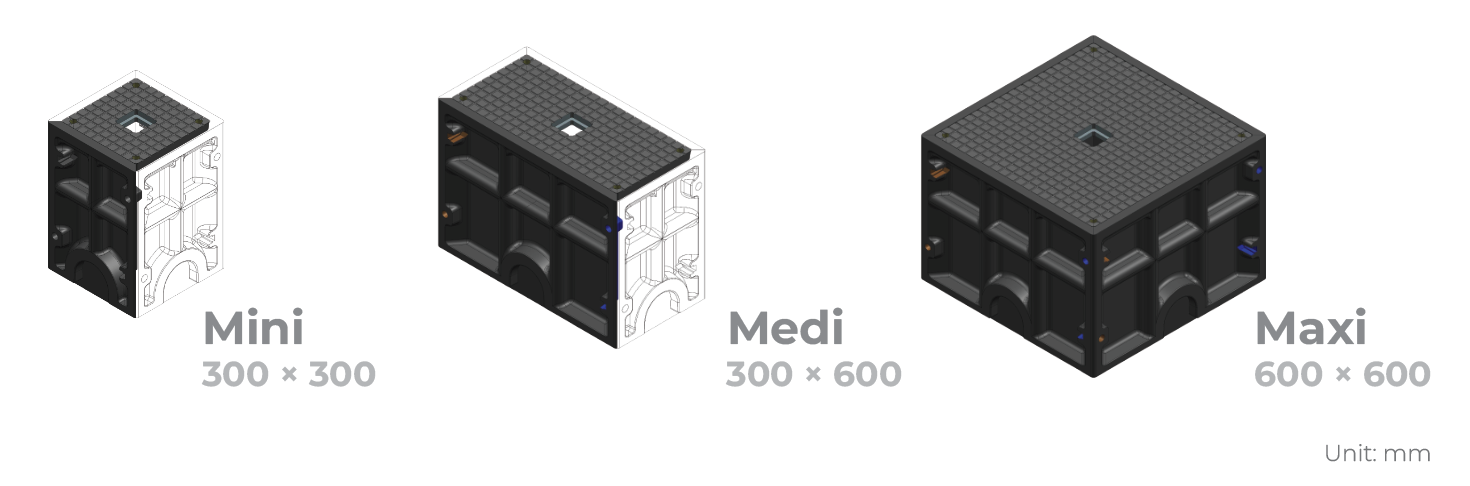
Charge-M8 EV Kube has been designed to simplify this process. Instead of relying on wet concrete, EV Kube uses a modular composite construction that can be transported in compact packages and assembled directly on site. The modular construction also makes transportation easier, particularly where access is limited or equipment needs to be delivered in smaller loads. These characteristics are described throughout the EV Kube product documentation and installation guidance.
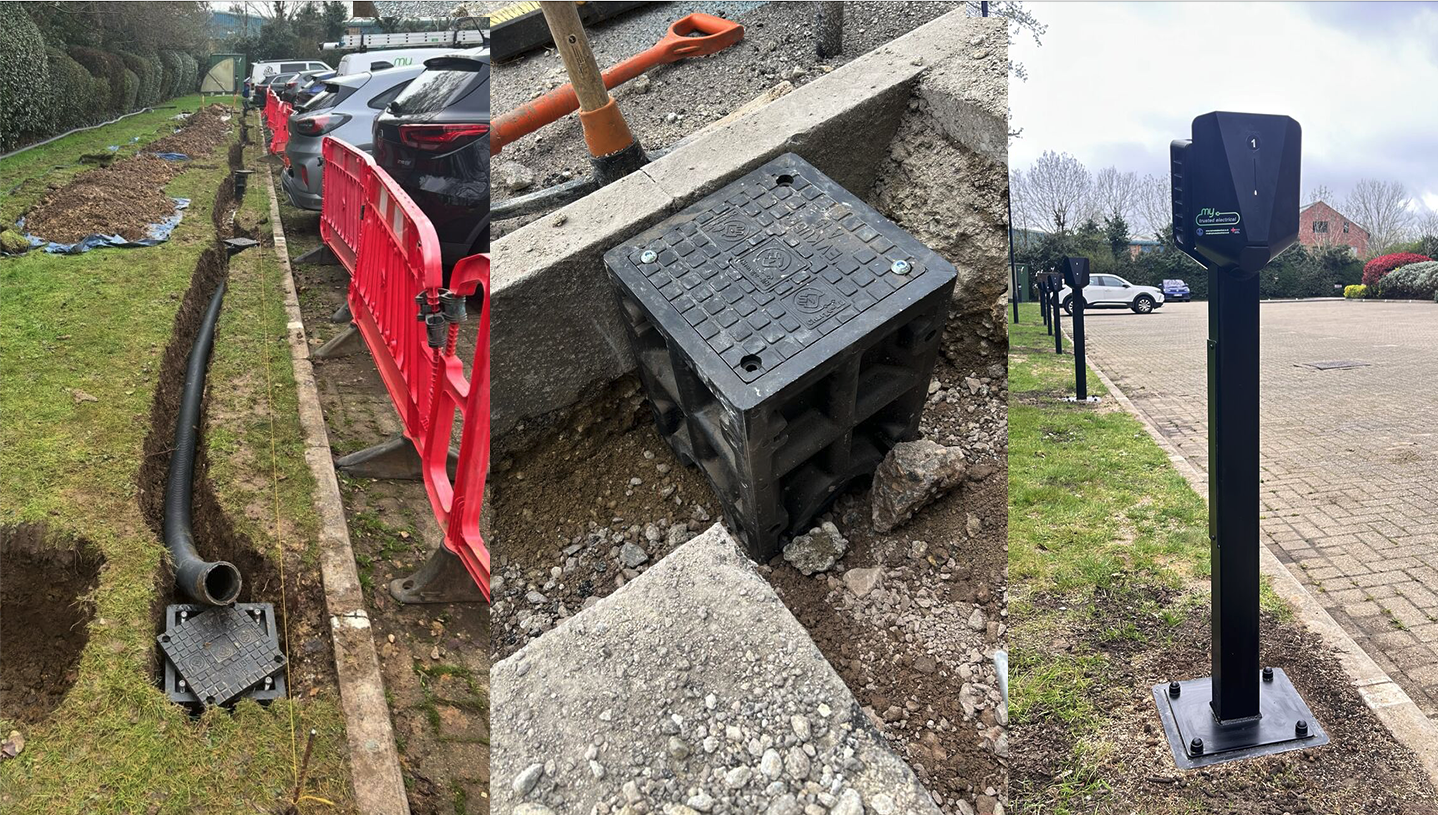
Component Delivery
Delivered to site in courier friendly packages.
On Site Assembly
Modular composite construction assembled directly on site.
No Curing Needed
No wet concrete, so there is no curing time to wait on before proceeding.
Ready to Commission
Suitable installations can progress once the foundation is prepared, according to the installation guidance provided for the product.
Designed for Future Maintenance
Infrastructure rarely remains unchanged throughout its lifetime. Charging equipment may be upgraded, payment terminals added or cable routes modified as site requirements evolve. Because EV Kube is modular, future maintenance can often be completed without removing an entire concrete base.
Equipment Upgrades
Modular construction means upgrade work can often be completed without removing an entire concrete base, keeping disruption to a minimum.
Payment Terminals
The composite cover and side panels can be drilled or cut where appropriate, giving installers greater flexibility when fitting new terminals or accessories.
Cable Route Changes
Adapting conduit routes is easier within a modular structure, helping extend the useful life of the supporting infrastructure.
Supporting More Efficient Commercial Installations
Commercial EV charging projects are increasingly expected to balance installation speed with long term reliability. For organisations installing multiple charge points across different locations, these practical advantages can contribute to a more efficient deployment programme.
Less Wet Civil Work
Reducing wet civil works helps contractors improve scheduling and reduce unnecessary site visits.
Repeatable Process
A consistent installation process makes multi site rollouts easier to plan and deliver on time.
Lightweight Panels
The lightweight panel design supports safer handling during transportation and assembly.
Consistent Scheduling
A repeatable installation process helps contractors plan multi site rollouts with greater confidence.
A Practical Alternative for Modern EV Infrastructure
As EV charging infrastructure continues to expand, installation efficiency is becoming an important part of project success. A modular foundation does more than replace concrete. It simplifies logistics, reduces installation stages and provides greater flexibility for future maintenance without compromising the stability required for commercial charging infrastructure.
For installers, contractors and infrastructure owners looking to streamline future projects, a modular foundation offers a practical alternative that supports both today's installation requirements and tomorrow's network expansion.