
13 August 2026
Hardware-Agnostic Dynamic Load Balancing: How Libra Gives EV Charging Networks More Flexibility
A commercial EV charging network rarely stays the same for long. See how Charge-M8 Libra combines real-time load balancing with a hardware and OCPP-platform-agnostic design.
Chargers get added, back-office platforms change, and equipment from different suppliers often ends up on the same site. A load balancing system has to work across all of that, not just the setup it was installed with.
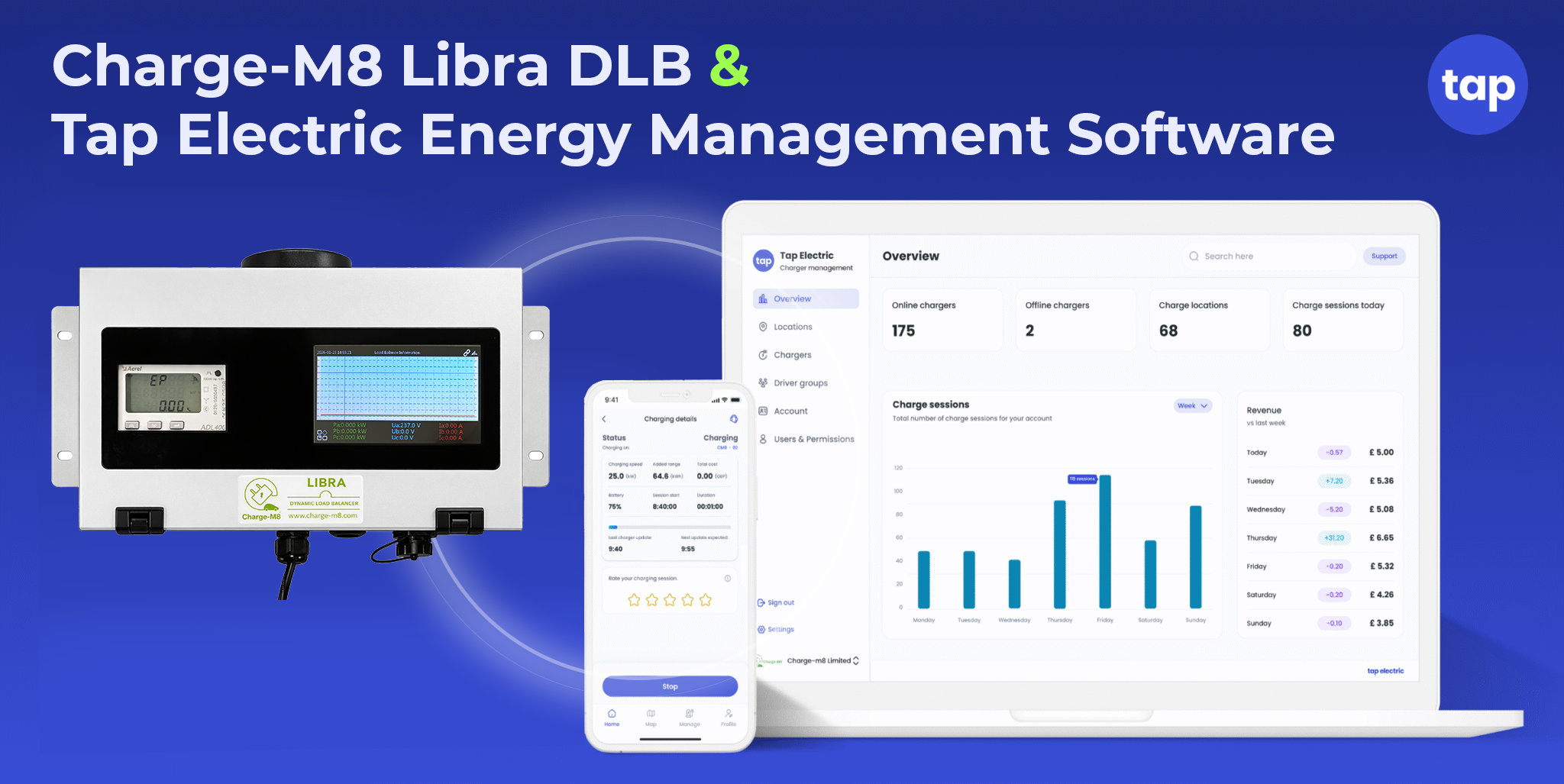
Charge-M8 Libra is built around this problem, combining real-time load management with a hardware and OCPP-platform-agnostic design.
OCPP 1.6+
Works with any compatible OCPP charging infrastructure.
Platform Agnostic
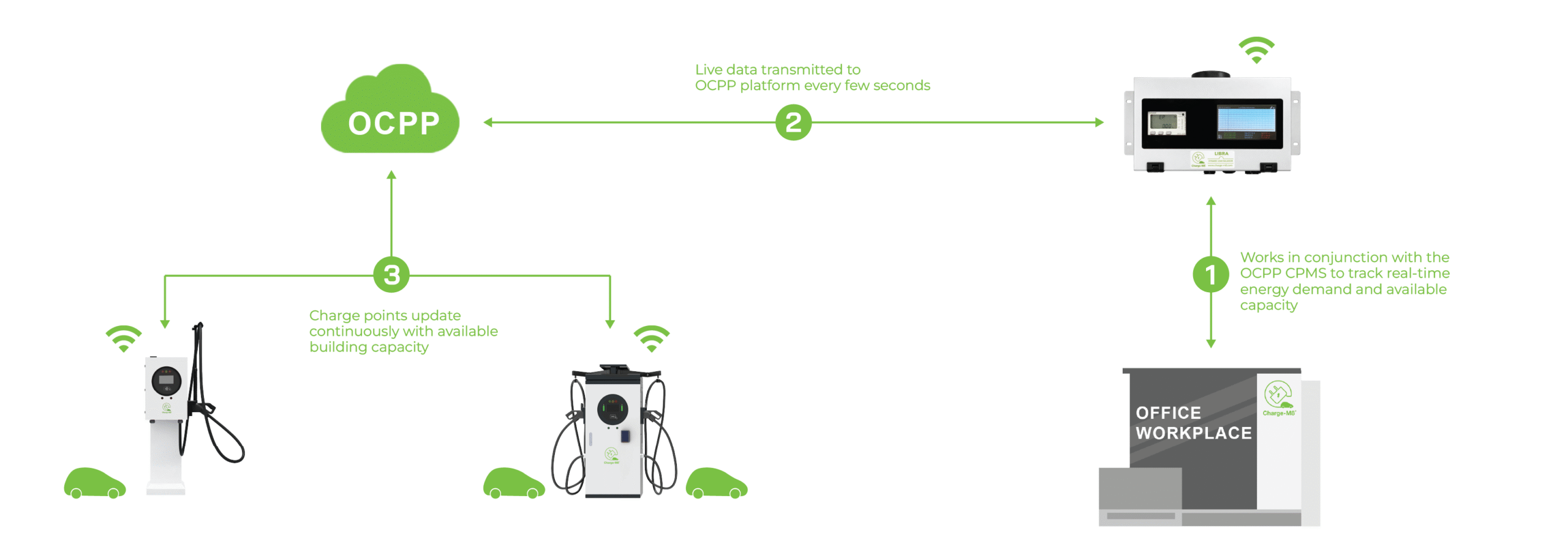
Communicates directly with the OCPP platform, not the chargers.
Real-Time
Live data sent every few seconds.
Simple Setup
Touchscreen commissioning, no app or SSID needed.
Flexibility
Why Hardware Independence Matters
Charging sites rarely stay within a single manufacturer's ecosystem. An operator may add new charger models, switch Charge Point Management System (CPMS) providers, or manage infrastructure inherited from different suppliers across several sites.
A load balancer tied to one hardware ecosystem makes these changes harder. Libra avoids this by communicating directly with the OCPP platform rather than the chargers themselves, so it works with compatible OCPP-based charging infrastructure.
Hardware-Locked System
- Tied to a single charger brand
- Harder to expand with new hardware
- Complicated when switching CPMS
Libra
- Works with any OCPP 1.6+ charge point
- Communicates directly with the OCPP platform
- One-time integration for non-pre-integrated platforms
This gives installers and operators more freedom when designing or expanding a charging network, without depending on a single charger brand.
How It Works
Real-Time Capacity Management Through OCPP
Regardless of the hardware connected to it, Libra's core function stays the same: protecting the site's available electrical capacity.
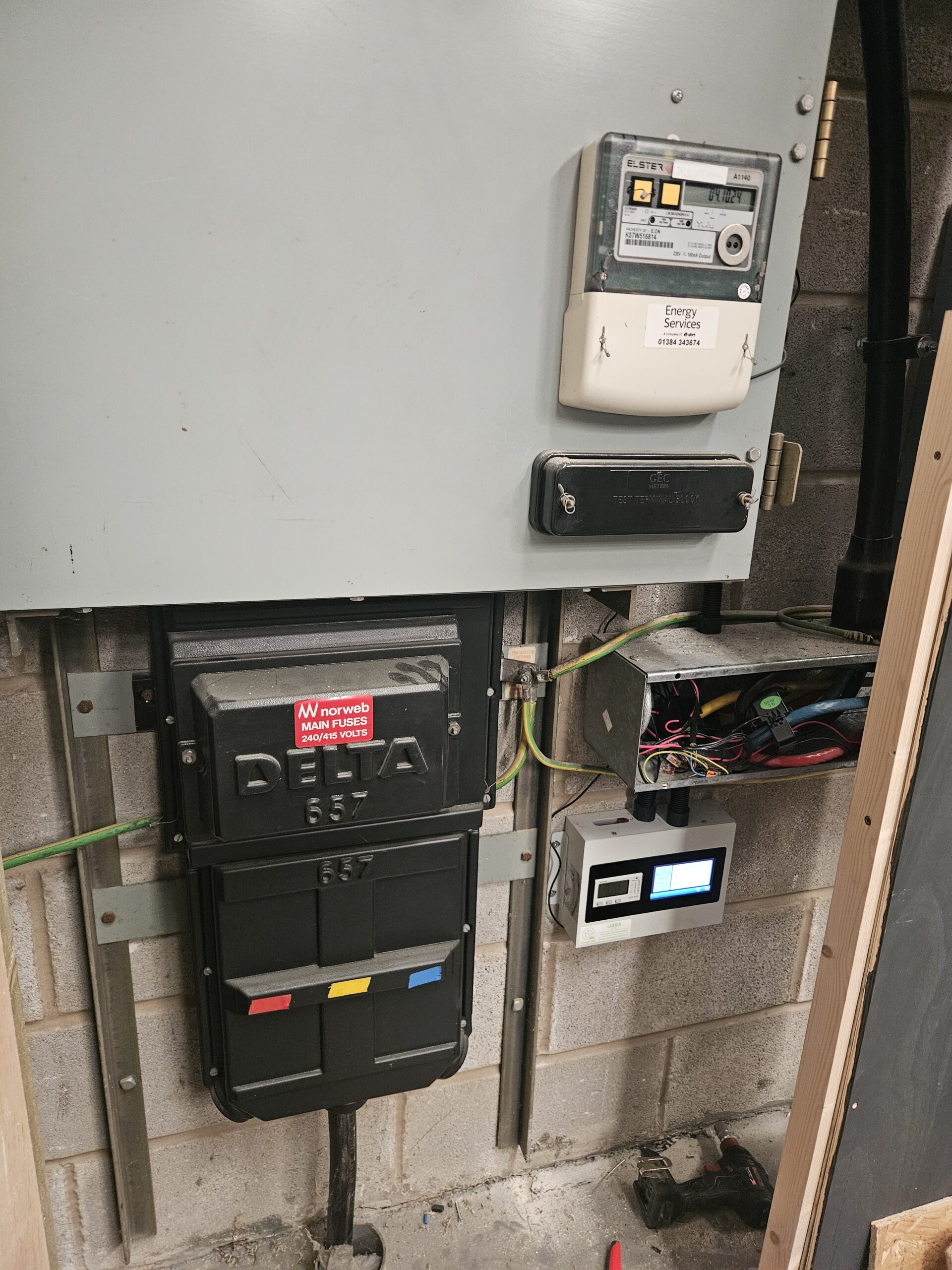
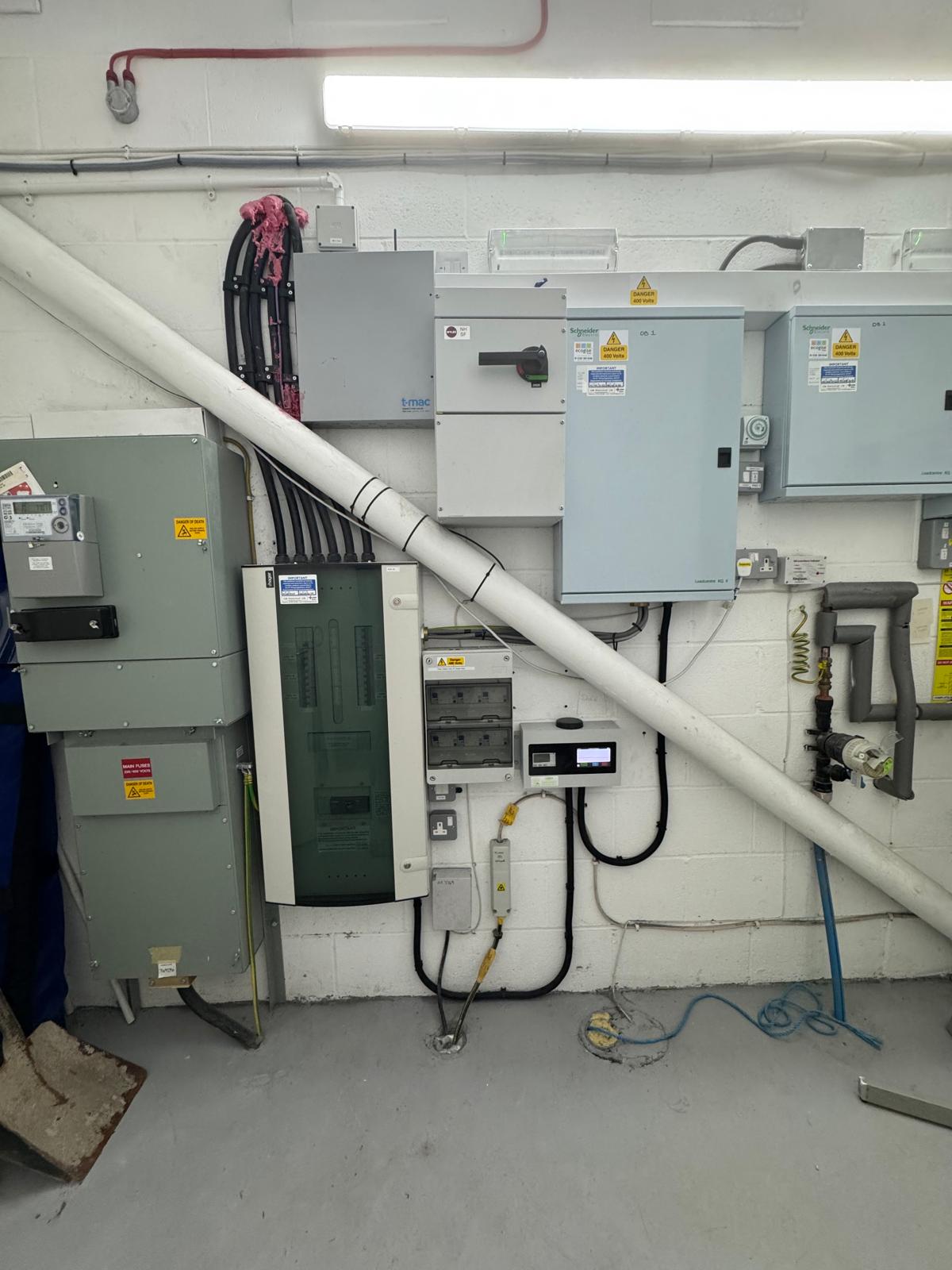
Libra continuously monitors the building's power consumption and sends this data to the OCPP platform every few seconds. This allows the platform to allocate the maximum available capacity for EV charging based on actual demand, rather than a fixed limit.
When demand elsewhere in the building rises, charging capacity is managed accordingly. When more capacity becomes available, it can be redirected to EV charging, so building demand and charging infrastructure operate as part of the same system.
Commissioning
Straightforward Installation and Commissioning
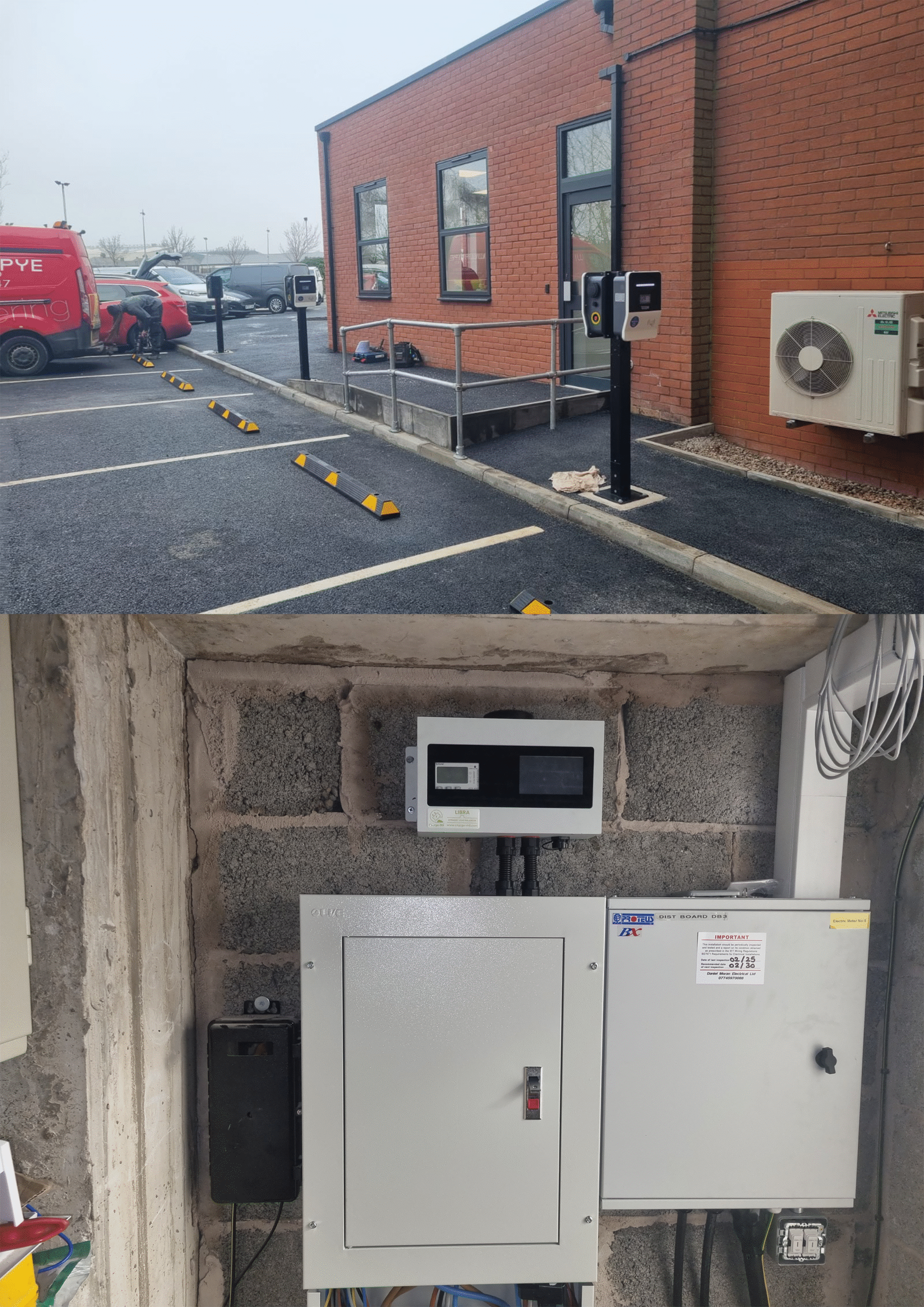
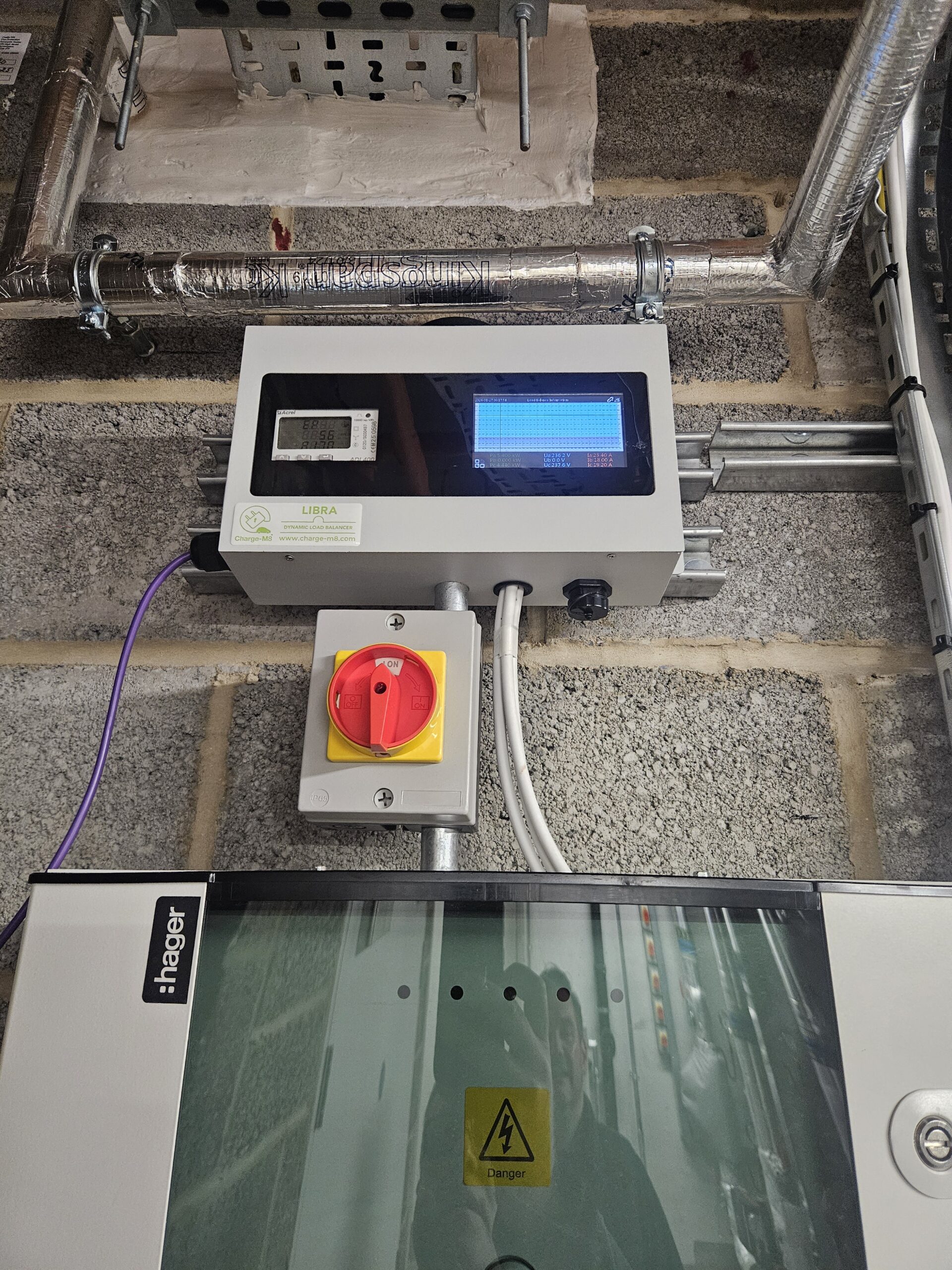
An open, hardware-agnostic system only helps if it is easy to install. Libra is commissioned through a password-protected 4.3-inch touchscreen, without requiring an app or an SSID network connection during setup.
This keeps commissioning simple across different commercial environments, while Libra continues managing real-time load balancing with the OCPP platform once connected.
A More Flexible Foundation for Growing Networks
Dynamic load balancing does more than prevent overload. It also determines how easily a charging network can change as chargers, platforms and operational requirements develop over time.
By combining OCPP 1.6-compliant real-time monitoring with a hardware-agnostic design, Libra gives commercial sites a way to manage capacity today while keeping their options open for tomorrow.
Want to Learn More About Libra?
Explore the full Libra product page and see how it performs across real commercial charging sites.